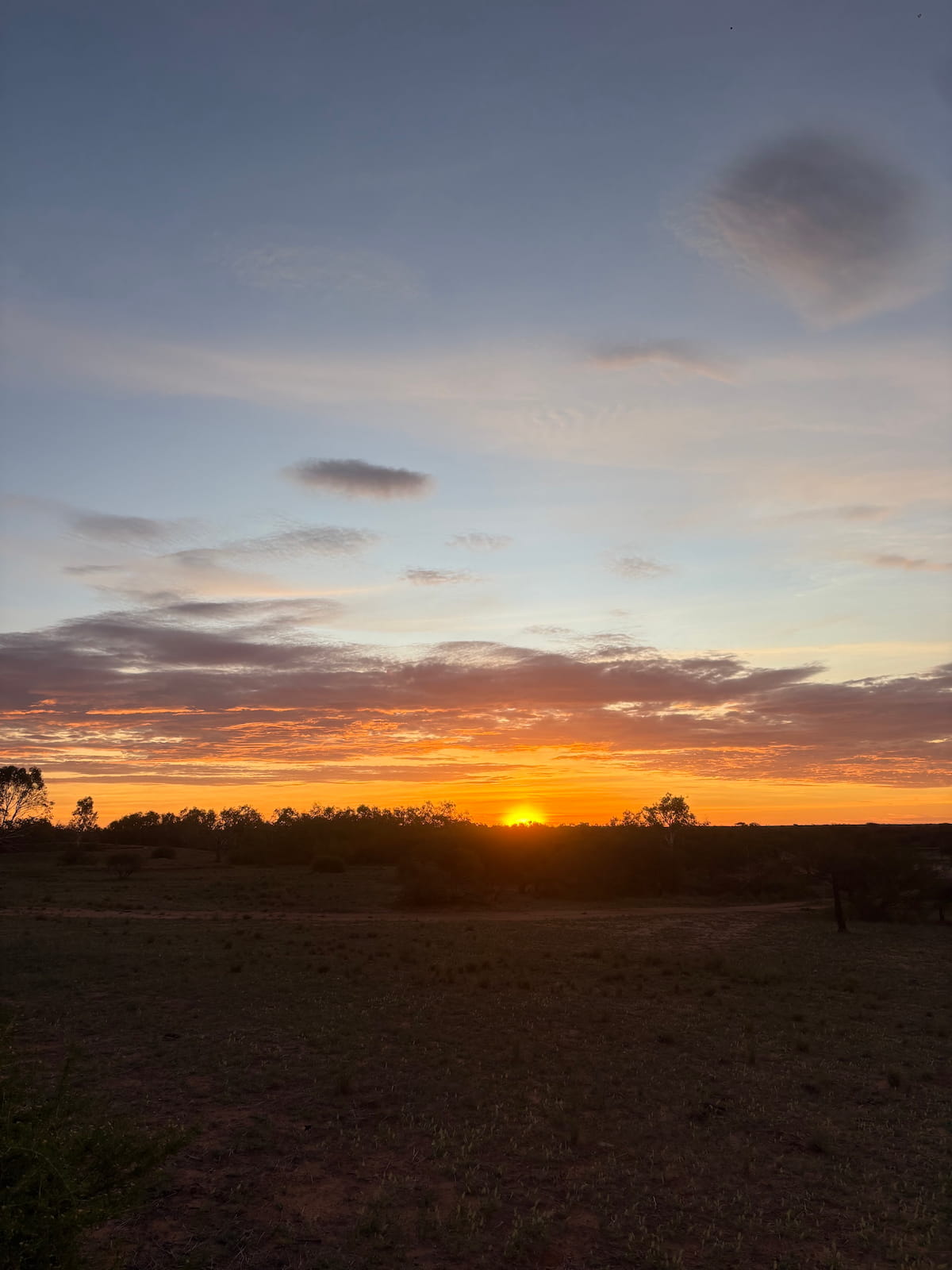
GGE recognises and respects the Yinggarda and Baiyungu people as the Traditional Owners of the land on which the proposed Gascoyne Green Energy Boolathana project is located.
GGE is committed to and will continue to undertake each stage of the project’s development in close consultation with the Yinggarda people, directly and through the Yinggarda Aboriginal Corporation and Gumala Aboriginal Corporation, and the Baiyungu people, directly and through the Nganhurra Thanardi Garrbu Aboriginal Corporation (NTGAC) and Yamatji Marlpa Aboriginal Corporation (YMAC).
Native Title
Non-exclusive Native Title exists over all Boolathana via the Gnulli Determination of Native Title Prescribed Body Corporates (PBC) WAD22/2019, WAD366/2018 and WAD261/2019 – Gnulli, Gnulli #2 and Gnulli #3 – Yinggarda, Baiyungu and Thalanyji people.
National Native Title Tribunal (n.d.) ARCGIS Map
Consultation and Consent
GGE has been working closely with the First Nations people to consult and Traditional Owner prescribed body corporates to obtain consent at various stages of the Gascoyne Green Energy Boolathana Project.
GGE has successfully received Free Prior and Informed Consent (FPIC) from the Board members of Yinggarda Aboriginal Corporation and from the Board members of the Nganhurra Thanardi Garrbu Aboriginal Corporation.
GGE will continue to consult at each stage of the project’s development, working with the Traditional Owners directly and through their representative bodies.
If the proposed GGE Boolathana Project is deemed to be feasible, it may lead to various meaningful ways we can work together with Traditional Owners and achieve common goals.
What's in a name ...
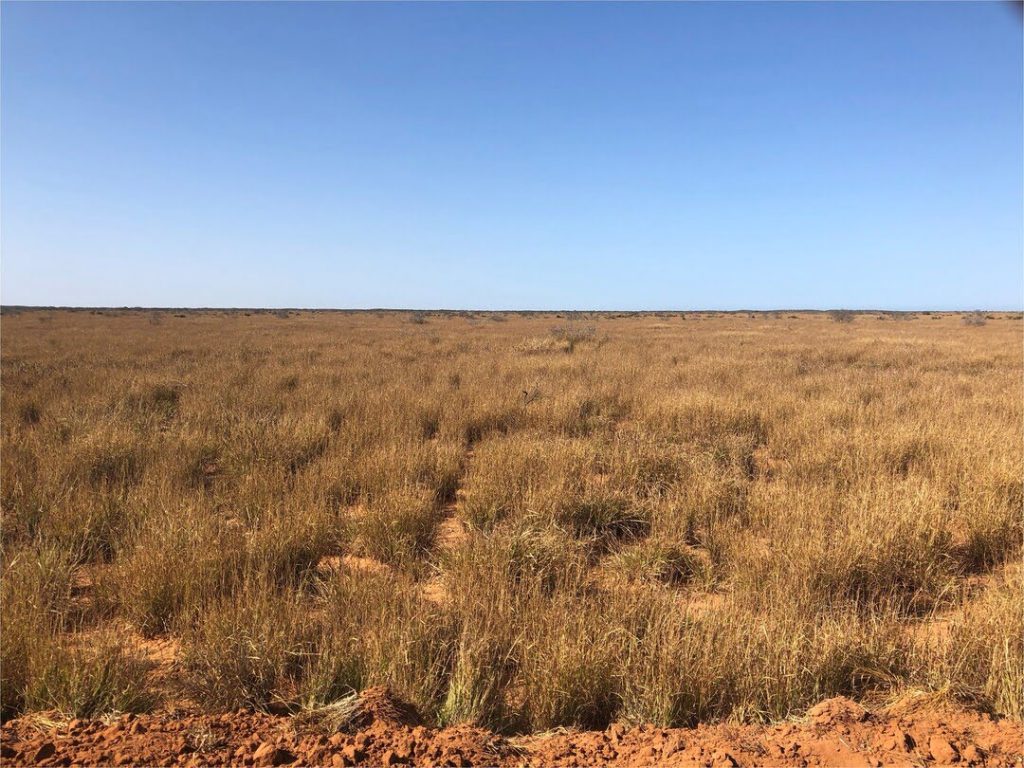
According to the publication, Language Lives in the Aboriginal Place Names of the Gascoyne, the name Boolathana may mean treeless.
Pulaya (pronounced boolaya) means land in Yinggarda and thanma means hard or strong and hard ground grows no trees.”hana” means ‘they’ according to the Payungu* Dictionary compiled by Peter Austin in the 1980’s, so it could have meant ‘’their land’.
The essence of Boolathana is ‘strong land that is treeless’ and perhaps why the name has been kept in use by the early settlers and the local community to present day.
* (sic) – accepted spelling Bayungu or Baiyungu
Contact us
If you have any questions or feedback for Gascoyne Green Energy or on